Explore the Universe of Fair Trade Tea: Exceptional Brews That Champion Sustainable Practices
Fair Trade tea showcases a harmonious balance of quality and integrity. Each cup grants a unique flavor profile while championing sustainable farming practices. This process not only elevates the tea experience but also assists marginalized farmers. Understanding its origins and certification processes reveals richer dimensions of consequence. As consumers become more deliberate about their choices, the impact of Fair Trade tea spreads past taste. What exists below the surface of these determinations?
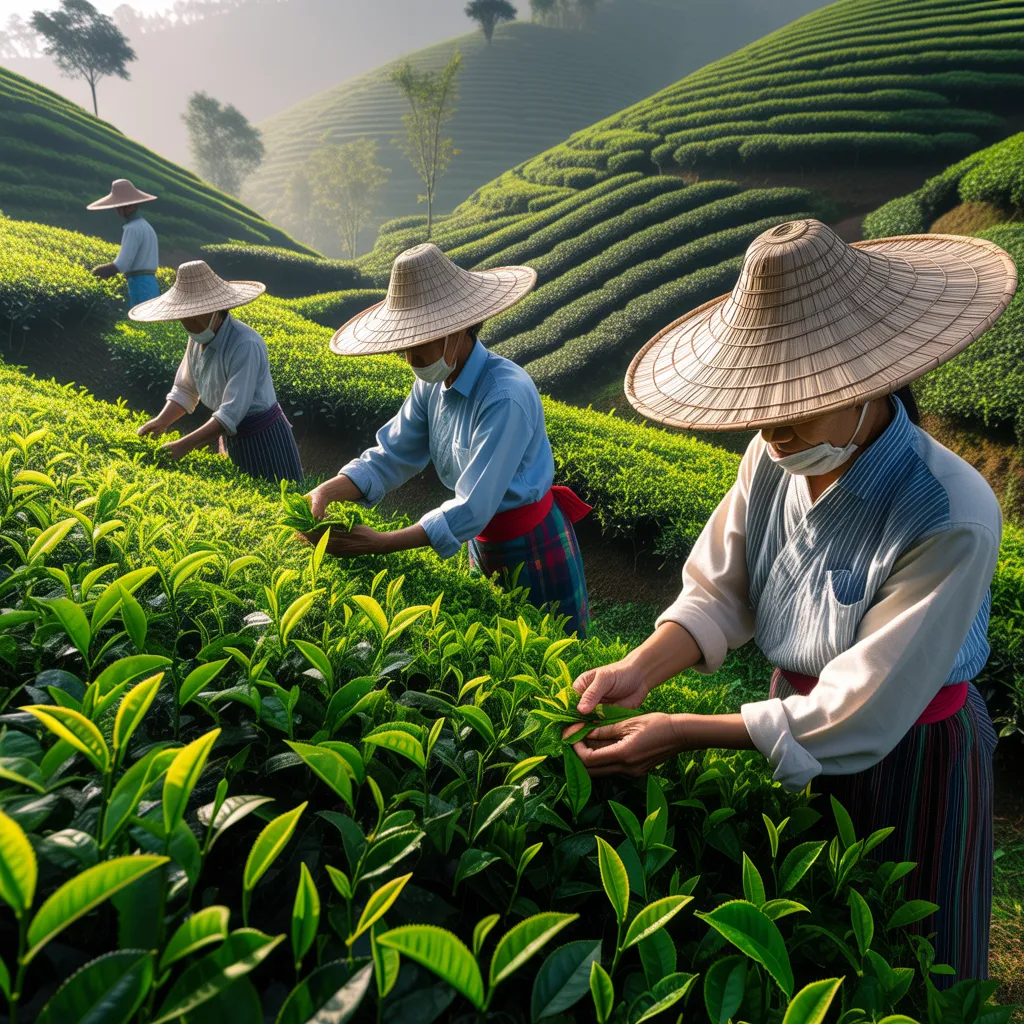
Find Out the Foundations of Fair Trade Tea
Fair Trade tea originates from the social and economic movements designed to improve the circumstances of excluded farmers. Starting in the late 20th century, this endeavor worked to address unfairness in global trade, notably in developing countries where tea is commonly produced. The movement picked up steam as buyers became ever more aware of the grim conditions experienced by modest-sized growers, including unfair pricing and mistreatment by major enterprises.
Through collaborative frameworks, Fair Trade sought to strengthen these farmers, guaranteeing they received fair payment and support for eco-friendly agricultural methods. The movement also concentrated on advancing environmental responsibility, encouraging organic farming and biodiversity. As knowledge grew, Fair Trade tea functioned as a symbol of ethical consumption, connecting consumers directly with the origins of their beverages. By choosing Fair Trade tea, individuals contribute to a larger goal of social justice and economic equity, building a more sustainable future for tea-growing communities.
Grasp the fundamentals of responsible sourcing for environmentally conscious methods
Grasping Fair Trade certification is fundamental to recognizing how sustainable practices are sustained within the tea industry. This certification pledges that producers receive fair wages and work under safe conditions, which directly helps community development. Fair Trade standards back environmentally sustainable farming methods, reducing the use of harmful chemicals and encouraging biodiversity.
Certification promotes transparency in the supply chain, enabling customers to trace their tea back to its origin. By adhering to these standards, farms undertake methods that safeguard natural resources and sustain local ecosystems. Additionally, Fair Trade organizations often provide learning materials and training to agricultural producers, empowering them to enhance their production methods and financial security.
In the end, Fair Trade certification improves the caliber of tea while also matching consumer choices with responsible and green values, rendering it a vital component of the tea sector's commitment to community responsibility and ecological stewardship.
Browse Leading Range of Fair Trade Tea
While many tea enthusiasts appreciate the rich flavors and aromas of different teas, investigating the top types of Fair Trade tea demonstrates a greater dedication to ethical sourcing and sustainability. Some popular options feature Fair Trade Assam, recognized for its strong, grain-forward flavor, and Fair Trade Darjeeling, often called as the "Champagne of teas" for its subtle flower-like characteristics. Another significant variety is Fair Trade Earl Grey, infused with bergamot, providing a distinctive citrusy flavor.
Moreover, Fair Trade Green Tea, lauded for its invigorating qualities and health benefits, is increasingly favored among health-conscious consumers. Herbal blends, such as Fair Trade Chamomile and Peppermint, also distinguish themselves, supplying soothing and calming effects. Each of these varieties not only delivers exceptional flavor but also supports farmers and communities working for better livelihoods, making them a responsible choice for tea lovers seeking quality and ethical assurance.
Brewing Fair Trade Tea: Guidelines for a Ideal Cup
To prepare the best cup of Fair Trade tea, focus is crucial, as the proper procedures can bring out the tea's individual aromas and smells. The first step is that water quality is paramount; using filtered water ensures a fresh flavor that allows the tea's qualities to be highlighted. Also, the water temperature is important; different teas need specific temperatures; boiling temperature is used for black tea and green and herbal teas require cooler temperatures.
Following this, the steeping time needs to be accurately tracked. Excessive steeping can create bitterness, while understeeping may not obtain the complete taste spectrum. A common benchmark is 3-5 minutes for black tea and 2-3 minutes for green tea.
To finish, employing the right amount of tea to water enhances the flavor; one teaspoon of loose tea per cup is a suitable guideline. By following these tips, tea connoisseurs can fully appreciate the rich offerings of Fair Trade tea.
Environmental Advantages of Fair Trade Tea
Brewing Fair Trade tea not only improves the tea experience but also backs sustainable agricultural practices that benefit the environment. Fair Trade certification motivates farmers to use organic farming methods, which decrease the dependence on harmful pesticides and fertilizers. This method fosters biodiversity, helping to preserve local habitats and safeguard animal sanctuaries.
Additionally, Fair Trade practices often prioritize soil health and water preservation, refer now ensuring that tea cultivation does not deplete essential resources. By supporting small-scale farmers, Fair Trade also encourages agroforestry, which combines tea cultivation with other crops and trees, further enhancing environmental resilience.
In addition, Fair Trade tea frequently includes environmentally responsible wrapping and delivery systems, lowering the greenhouse gas emissions tied to its delivery. All in all, choosing Fair Trade tea shows a deliberate commitment to advance a more sustainable farming approach that respects both the planet and its people.

Your Tea Selection Supports Empower Global Communities
Embracing Fair Trade tea benefits communities globally by supplying farmers with equitable wages and superior labor practices. This obligation assures that tea producers can sustain their livelihoods while channeling resources in their kin and local economies. By obtaining Fair Trade tea, patrons enable the creation of necessary local services, such as instruction and healthcare.
Fair Trade certification promotes responsible conduct, demanding companies to adhere to guidelines that prioritize employee protections and ecological responsibility. As a result, farmers are motivated to cultivate premium tea, which not just enhances their income but also fosters pride in their work.
In addition, the face-to-face trade relationships established through Fair Trade eliminate abusive middlemen, allowing farmers to contact with consumers worldwide. This openness strengthens trust and encourages a global appreciation for the cultural value of tea. Ultimately, each cup of Fair Trade tea functions as a emblem of the favorable outcome individuals can have on global communities through mindful consumption.
Frequently Posed Questions
How Can I Recognize Fair Trade Tea Products in Stores?
To recognize fair trade tea products in stores, one should look for certification labels, such as Fair Trade Certified or Rainforest Alliance. Additionally, investigating companies committed to ethical sourcing can aid in making informed choices.
Are There Any Wellness Advantages Connected to Fair Trade Tea?
Fair trade tea can provide multiple wellness benefits, such as antioxidants that enhance cardiovascular health, better digestion, and improved mental focus. Moreover, ethical procurement methods encourage sustainable agricultural practices, helping create a greener world and enhanced community well-being.
Can I Find Ethically Sourced Tea in Digital Shopping Platforms?
Yes, fair trade tea is widely available in online marketplaces. Numerous retailers offer a variety of varieties and types, ensuring purchasers can straightforwardly obtain ethically sourced options that copyright both ecological balance and fair labor practices.
How Does Fair Trade Tea Shape Local Economies?
Fair trade tea positively impacts local economies by ensuring farmers receive equitable pay, fostering community development, and encouraging sustainable farming practices. This support uplifts living conditions, promotes economic stability, and empowers communities to invest in education and healthcare.
What Ways Should I Utilize to Store Fair Trade Tea for Maximum Freshness?
To boost quality, fair trade tea should be placed in an sealed jar, shielded from strong odors, humidity, and light. Storing it in a cool, dark place helps preserve its scent and taste over time.